
However, behind this joy lies a harsh reality: Nigeria faces one of the highest maternal and child mortality rates in the world. According to the World Health Organization (WHO), Nigeria accounts for over 20% of global maternal deaths, despite having only about 2.6% of the world’s population. This is alarming and demands urgent attention.
In Nigeria, pregnancy is more than a biological process it’s a cultural celebration and a family milestone. From naming ceremonies to baby showers, every stage of pregnancy carries deep emotional and social significance. For many families, welcoming a child symbolizes continuity, blessings, and hope for the future.

Why Are Maternal and Child Deaths So High in Nigeria?
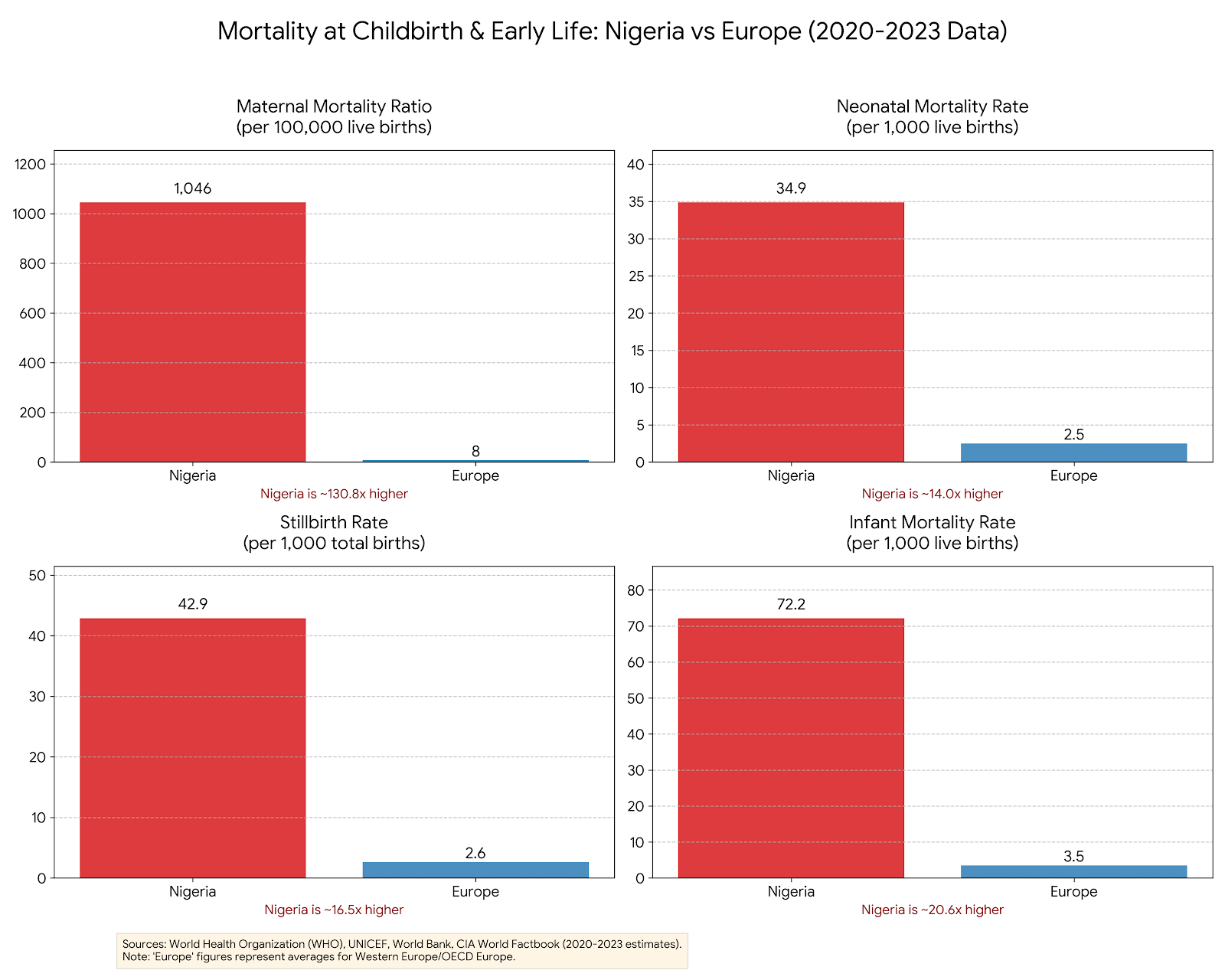
Several factors contribute to this epidemic:
- Limited Access to Quality Healthcare
- Many rural areas lack skilled birth attendants and emergency obstetric care.
- Only 43% of births in Nigeria are attended by skilled health personnel (UNICEF).
- Poor Infrastructure
- Inadequate hospitals, shortage of medical equipment, and unreliable transportation systems make emergency care difficult.
- Socioeconomic Barriers
- Poverty and low health insurance penetration mean many women cannot afford antenatal care or safe delivery services.
- Cultural Practices
- Preference for home births and reliance on traditional birth attendants often lead to complications.
- Delayed Response to Complications
- Conditions like postpartum hemorrhage, eclampsia, and obstructed labor require immediate intervention, which is often unavailable.
Actionable Strategies to Reduce Maternal and Child Mortality
1. Expand Health Insurance Coverage
Affordable health plans for pregnant women can ensure access to antenatal care, skilled delivery, and emergency services. Health Assur’s maternity packages are designed to bridge this gap.
2. Strengthen Healthcare Infrastructure
Invest in rural clinics, equip hospitals with modern obstetric tools, and train more midwives and doctors.
3. Promote Antenatal Education
Educating mothers on danger signs during pregnancy and the importance of hospital delivery can save lives.
4. Emergency Transport Systems
Create community-based ambulance services for quick response during labor emergencies.
5. Public-Private Partnerships
Collaborate with NGOs, government, and private organizations to fund maternal health programs.
The Role of Health Assur HMO
At Health Assur, we are committed to reducing maternal and child mortality in Nigeria through:
- Affordable maternity health plans
- 24/7 telemedicine support
- Access to a network of skilled healthcare providers
Final Thoughts
Pregnancy should never be a death sentence. With the right policies, education, and healthcare access, Nigeria can drastically reduce maternal and child mortality rates. Join Health Assur HMO today and be part of the solution.
By: Ademola Adeleke